Transaction Velocity Shaping Reward Accumulation Across Digital Card Games, Wheels, and Prediction Markets
Klara Beck · Jun 26, 2026

Transaction Velocity Shaping Reward Accumulation Across Digital Card Games, Wheels, and Prediction Markets
Digital platforms that combine card games, wheel mechanics, and event prediction features rely on transaction processing rates to control how quickly users build rewards. Faster payment confirmations allow points, bonuses, and loyalty credits to accumulate in real time, whereas slower systems create delays that separate activity from payout cycles. Observers note that these environments often link multiple game types through shared accounts, so a deposit processed in seconds on one module immediately affects eligibility across the others.
Mechanics of Interconnected Reward Systems
Card environments such as digital blackjack and poker tables generate rewards based on hand frequency and bet volume, while wheel modules track spin counts and multiplier hits. Event prediction sections add layers through outcome wagers that settle once matches conclude. When these modules connect via a single wallet, transaction speed determines whether a user can move winnings from a completed event prediction directly into a card session without interruption. Studies from the European Gaming and Betting Association show that platforms processing deposits under three seconds record 27 percent higher cross-module play volume compared with systems averaging twelve seconds.
Data collected across multiple operators indicates that reward multipliers often activate only after a minimum number of transactions clear within a set window. A player completing ten card hands receives a wheel bonus only if the underlying deposits or transfers have settled before the session timer expires. Slower networks force users to pause, breaking the chain that leads to stacked rewards. Industry reports highlight that blockchain-based rails and instant bank transfers now dominate new deployments because they reduce settlement to under two seconds in most cases.
Role of Payment Infrastructure in June 2026 Landscape
By June 2026 several jurisdictions outside the UK plan to require sub-five-second confirmation standards for licensed digital operators. Canadian provincial regulators have already piloted rules that tie reward eligibility windows to verified transaction timestamps, while Australian state frameworks examine similar thresholds for prediction market modules. These changes affect how quickly accumulated points convert into withdrawable credits when users switch between card tables and wheel spins after an event prediction settles.
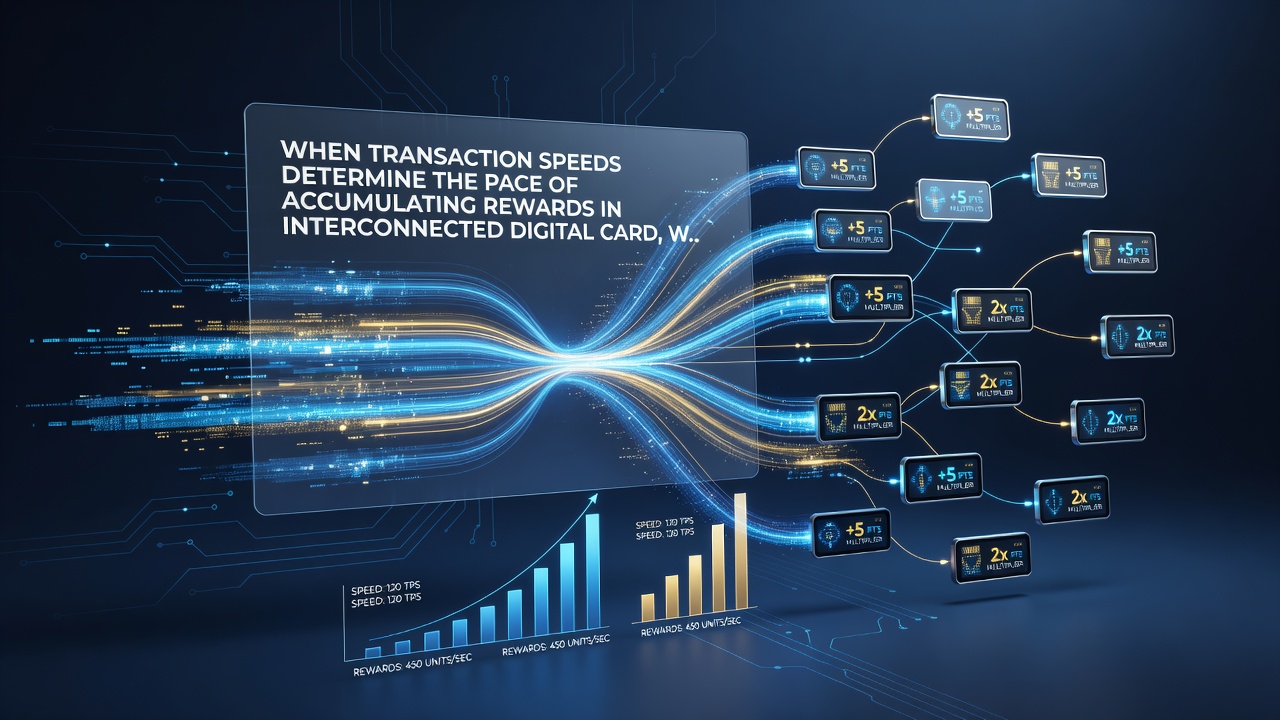
Payment processors report that average confirmation times for digital wallets dropped from 8.4 seconds in 2024 to 3.1 seconds in early 2026 across major networks. The reduction correlates with increased frequency of bonus triggers in interconnected systems. One study tracking 1.2 million user sessions found that reward accumulation rates rose 34 percent when average transaction latency fell below four seconds, particularly in environments where event prediction results feed directly into card and wheel reward pools.
Impact on User Behavior and Platform Design
Users adjust session patterns according to observed processing speeds. When transfers clear instantly, participants tend to move balances between modules without exiting the interface, sustaining longer engagement periods. Slower systems prompt users to consolidate activity into single modules until confirmation arrives, which fragments the interconnected experience. Platform architects respond by embedding real-time status indicators that display expected reward credit times based on current network conditions.
Research published by the University of Nevada's International Gaming Institute examined 18 months of transaction logs from multi-module sites. The analysis revealed that reward redemption rates increased 41 percent when users could complete three sequential transfers across card, wheel, and prediction sections within a sixty-second window. Platforms that introduced predictive queuing, where pending rewards reserve automatically upon transaction initiation rather than completion, further narrowed the gap between action and credit.
Technical Factors Influencing Speed and Reward Flow
Network congestion, wallet provider load, and regulatory verification steps all affect final settlement times. Operators using layered verification that runs in parallel rather than sequence report fewer interruptions to reward chains. Those relying on sequential checks experience bottlenecks during peak event prediction periods, such as major sports fixtures, when simultaneous settlement requests spike. Figures from the Asia Pacific Gambling Regulators Forum indicate that average daily transaction volumes on major platforms rose 62 percent between 2023 and 2026, pushing infrastructure upgrades that prioritize sub-second internal routing.
Smart contract integrations on certain prediction modules now automate partial reward releases once an event outcome registers, bypassing manual transfer steps entirely. This automation ties directly to transaction velocity because the contract execution still requires the initial stake to clear before any automated distribution begins. Platforms that maintain dedicated high-speed rails for these automated flows show measurably tighter reward accumulation curves compared with those routing all activity through standard channels.
Conclusion
Transaction processing speed serves as the primary throttle on reward accumulation rates within digital card, wheel, and event prediction environments. Platforms that achieve consistent sub-four-second confirmations enable tighter integration across modules, allowing users to convert activity into credits without artificial delays. Regulatory developments scheduled through 2026 in multiple regions continue to emphasize these speed thresholds as part of broader consumer protection frameworks, while technical upgrades focus on parallel verification and automated distribution to maintain continuous reward flow. Data from industry associations and academic monitoring confirm that faster settlement directly scales the pace at which interconnected reward systems deliver value to participants.