Transaction Networks Driving Layered Rewards Between Mobile Table Games and Sports Markets
Iris Simon · Jun 7, 2026
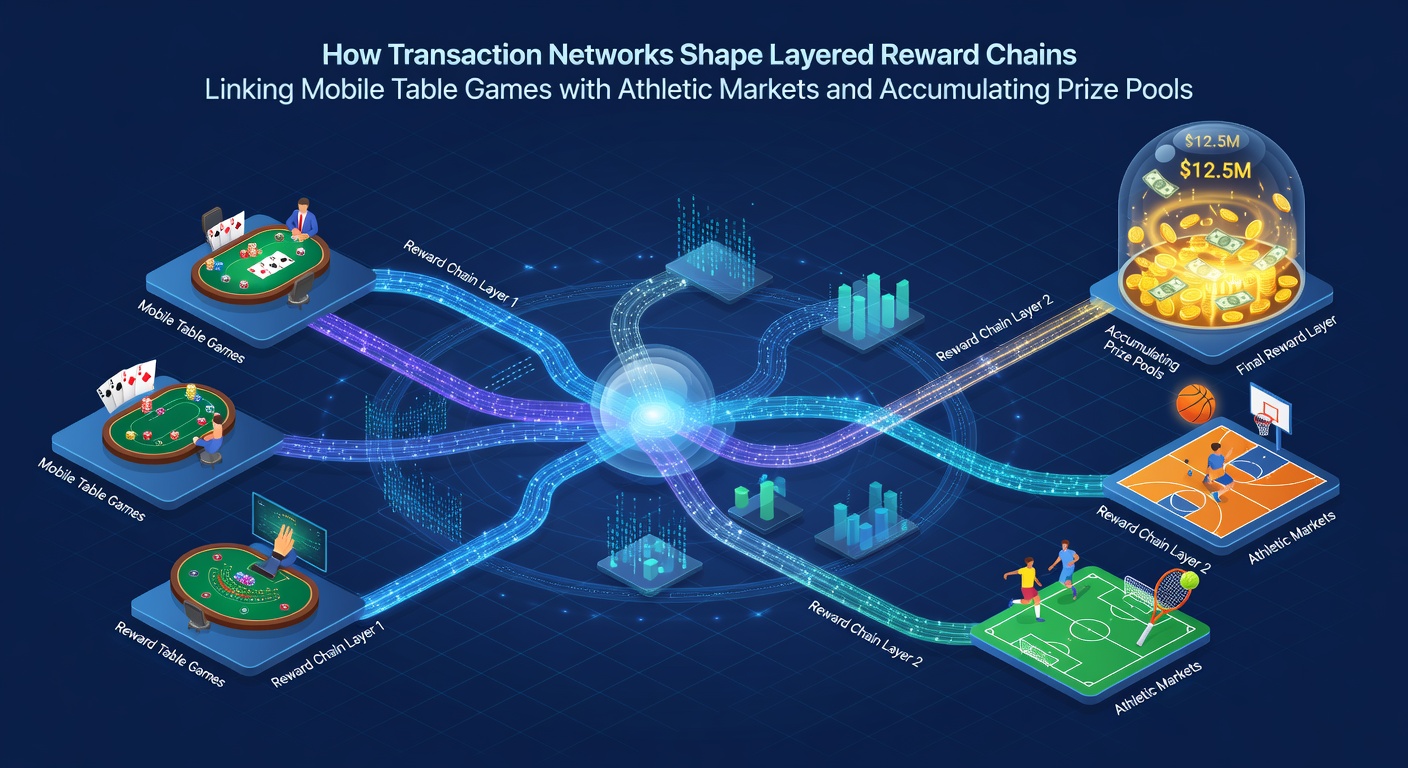
Transaction Networks Driving Layered Rewards Between Mobile Table Games and Sports Markets
Transaction networks in digital gaming environments create pathways that connect mobile table games with athletic betting markets while building shared prize pools through sequential reward mechanisms, and these systems rely on payment processors that track user activity across multiple platforms to distribute bonuses in coordinated layers.
Core Components of Transaction Networks in Gaming
Payment processors handle deposits and withdrawals that trigger reward eligibility across game types, which means a single transaction can activate bonuses for both table games and sports wagers simultaneously, and data from industry analyses show these networks process billions in volume annually while maintaining compliance records for different jurisdictions.
Electronic wallets and bank transfer systems serve as central nodes because they record transaction timestamps and amounts that platforms use to calculate reward tiers, and this tracking allows operators to link mobile blackjack sessions directly to football bets without requiring separate funding steps for each category.
Layered Reward Mechanisms Across Platforms
Reward chains operate by sequencing bonuses so that activity in one game category unlocks incentives in another, which creates progression where players accumulate points from roulette spins that convert into enhanced odds for basketball wagers, and such structures depend on real-time data exchange between transaction systems and game servers.
Studies from academic institutions indicate that these layered systems increase user retention metrics because participants receive incremental benefits that compound over multiple sessions, while platform operators adjust reward parameters based on aggregated transaction patterns rather than isolated game performance.
Connections to Athletic Markets and Prize Accumulation
Athletic betting markets integrate with table game rewards when transaction networks flag specific deposit thresholds that qualify users for cross-category promotions, and this integration allows prize pools to grow from combined contributions of table game stakes and sports market volumes, creating larger jackpots that draw participants from both segments.
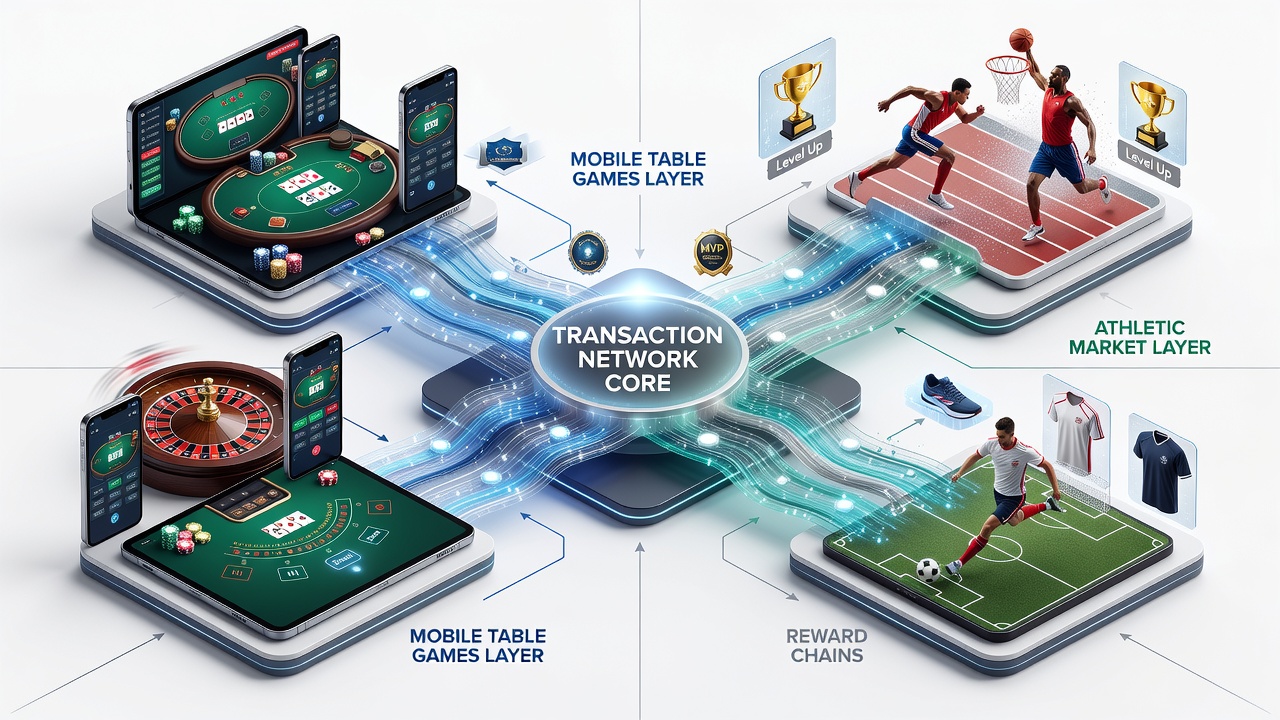
Reports compiled by the European Gaming and Betting Association document how these combined pools reached record levels in recent years because transaction data enables operators to allocate percentages from each category into shared reserves, and the process continues without interruption as long as payment rails remain active and verified.
Developments Expected Around June 2026
Regulatory updates scheduled for implementation in June 2026 across several regions will require enhanced reporting on how transaction networks allocate funds to layered rewards, which means operators must demonstrate clear separation between mobile table game contributions and athletic market inputs when prize pools reach distribution stages.
Observers note that these forthcoming standards build on existing frameworks already used by bodies such as the Alcohol and Gaming Commission of Ontario, where transaction monitoring systems already distinguish between game categories to prevent improper reward chaining, and the changes aim to standardize practices globally without disrupting current operational flows.
Technical Infrastructure Supporting the Chains
Application programming interfaces connect payment gateways with game management systems so that reward eligibility updates occur within seconds of transaction confirmation, and this speed supports the layered structure because players can move between table games and sports markets while maintaining continuous bonus progression.
Security protocols within these networks encrypt transaction details that determine reward multipliers, which prevents unauthorized alterations to prize pool calculations while allowing legitimate cross-platform activity to accumulate value over time, and encryption standards evolve alongside regulatory expectations to maintain data integrity across borders.
Conclusion
Transaction networks continue to shape how rewards flow between mobile table games and athletic markets by providing the data infrastructure that supports layered bonus distribution and collective prize pool growth, and developments around June 2026 will likely refine reporting requirements while preserving the operational linkages already established across platforms.