Tracing Reward Pathways Across Reel Machines, Interactive Tables, and Athletic Markets Through Layered Incentives
Klara Beck · Jul 15, 2026
Tracing Reward Pathways Across Reel Machines, Interactive Tables, and Athletic Markets Through Layered Incentives
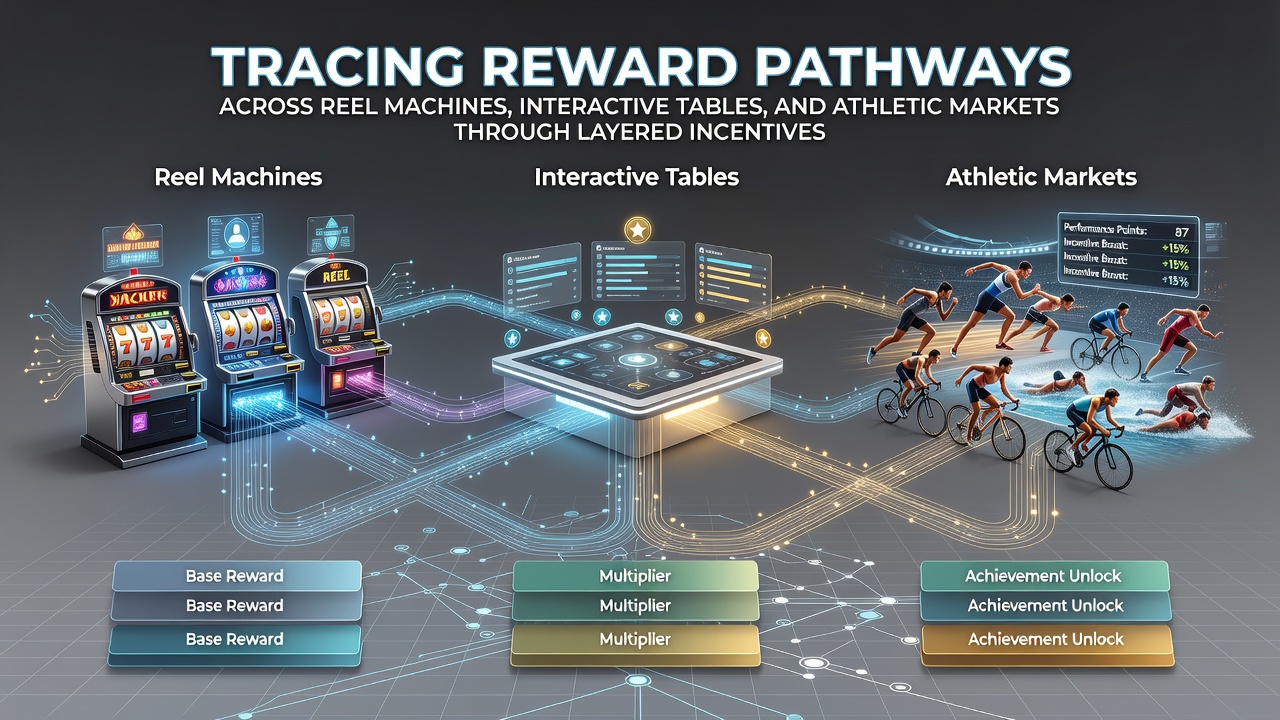
Layered incentives have become central to how modern gaming platforms connect reel machines with interactive tables and athletic markets, creating pathways that move players across different verticals through structured bonuses and loyalty mechanics. Operators design these systems so that activity in one area, such as spinning reels, unlocks rewards that apply directly to table games or sports wagers, and the reverse holds true as well.
How Layered Structures Operate Across Formats
Reel machines generate points or credits that feed into unified accounts, while interactive tables track hand totals that convert into multipliers usable on athletic events, and sports markets return odds-based rewards that loop back to free spins or table credits. Data from industry reports show these connections increase session length because players receive tangible value when they shift between formats rather than staying in one lane.
One common pattern involves progressive jackpots on reels that contribute a percentage to shared pools accessible through table play or live sports betting events. Another uses tiered loyalty programs where points earned from athletic markets accelerate access to higher table limits or exclusive reel features, and observers note that this cross-pollination appears in both land-based and digital environments.
Reel Machines as Entry Points for Broader Rewards
Slot-style reel machines often serve as the initial touchpoint in these systems because their high volume of spins produces frequent small rewards that accumulate quickly. When a player reaches certain thresholds on reels, the system releases credits or bonus rounds that function across interactive tables, turning a slot session into table game currency without additional deposits. Research from the University of Nevada's gaming studies indicates such mechanics appear in multiple jurisdictions where operators track player movement through unified wallets.
Figures reveal that reel-based incentives frequently include multiplier chains, where wins on specific machines double rewards when applied to live dealer tables later the same day. This design keeps the reward pathway active rather than siloed, and those who study player data find that participants who begin on reels show higher rates of later engagement with athletic markets when the bonuses align.
Interactive Tables Linking to Athletic Markets
Interactive tables extend the pathways by offering real-time dealer interactions that generate points convertible into sports bet enhancements. A blackjack session might produce insurance-style credits that offset losses on football wagers, while roulette outcomes feed into cashback pools shared with basketball or tennis markets. According to reports from the Nevada Gaming Control Board, table game operators increasingly integrate these conversions to maintain engagement across evening and weekend peaks.

What's notable is how table play often triggers time-limited offers for athletic events, such as boosted odds on specific matches that activate only after a minimum number of hands. This timing encourages players to move from tables to sports interfaces within the same session, and analysts at the Australian Gambling Research Centre have documented similar patterns in markets where cross-format play receives regulatory oversight through player protection frameworks.
Athletic Markets Completing the Incentive Loop
Athletic markets close the loop by returning value that directly supports reel and table activity. A successful parlay on soccer can release free spins on designated reel machines or entry into table tournaments, while in-play betting wins sometimes convert into dealer table credits at fixed exchange rates. Evidence from Canadian provincial gaming reports shows these returns appear most frequently during major sporting calendars, when operators adjust incentive values to match event volume.
Systems also layer risk-management tools, such as cash-out options on sports bets that preserve a portion of value for later use on reels or tables. This preserves momentum across the pathways and prevents abrupt exits when one market underperforms. Those who examine transaction logs observe that players utilizing these layered options tend to maintain accounts across multiple formats rather than concentrating activity in a single area.
Regulatory Timelines and Platform Adjustments
Platform operators continue to refine these pathways ahead of mid-2026 deadlines in several regions, including hardware updates scheduled for July 2026 that affect how machines record and transfer incentive data. These changes focus on standardized reporting of cross-format rewards, and compliance requires clear tracking so that layered bonuses remain transparent to oversight bodies outside the UK framework.
Industry associations have begun publishing guidelines that emphasize audit trails for reward conversions between reels, tables, and athletic markets, helping operators prepare systems that withstand review while preserving the incentive structures players already use.
Conclusion
Layered incentives now form measurable pathways that link reel machines, interactive tables, and athletic markets into single ecosystems where activity in any segment generates value across the others. Data continues to track how these connections evolve, particularly as operators adjust mechanics ahead of equipment and reporting updates scheduled for July 2026. The result remains a connected environment where rewards flow according to documented rules rather than isolated promotions.