Syncing Player Journeys: Payment Rails Guiding Spins, Dealer Tables, and Event Wagers Across Devices
Alex Otto · Jun 3, 2026

Syncing Player Journeys: Payment Rails Guiding Spins, Dealer Tables, and Event Wagers Across Devices
Payment rails now serve as the backbone for player activity that moves seamlessly between reel spins, live dealer decisions, and sports market wagers on phones, tablets, and desktops alike, and operators have invested heavily in infrastructure that processes deposits and withdrawals in real time while maintaining compliance across jurisdictions. Data from industry reports shows that integrated transaction layers allow funds deposited on a mobile slot session to appear instantly available for a blackjack table on a desktop or a live soccer market on a tablet, which reduces friction and keeps sessions continuous.
Core Mechanics of Unified Payment Flows
Transaction networks operate through layered APIs that connect gaming engines to banking partners and digital wallets, so when a player funds an account the balance updates across all product verticals without requiring separate logins or transfers. Research from the University of Nevada, Reno indicates these systems handle thousands of micro-transactions per minute during peak hours, routing funds from credit card processors or cryptocurrency nodes directly into game servers that manage both chance-based outcomes and skill-influenced table play. Observers note that the same rails support progressive jackpot contributions from slots while simultaneously settling live dealer payouts and adjusting sports bet stakes based on in-play events.
Device-Agnostic Account States
Cloud-based ledgers maintain a single source of truth for every account, which means a deposit made while commuting on a smartphone registers immediately when the user switches to a home desktop for table games or opens a tablet for event wagers later that evening. Figures from the American Gaming Association reveal that over 70 percent of active accounts now interact with at least three distinct product types within a single 24-hour period, relying on payment rails that synchronize balances and bonus eligibility without manual intervention. And because these rails incorporate tokenization, card details and wallet addresses remain secure while still permitting rapid movement of value between verticals.
Real-Time Settlement Across Product Types
Slot spins draw from the same pooled balance that funds dealer table buy-ins and sports wagers, with settlement occurring in milliseconds so winnings from a progressive reel appear available for immediate use at a virtual poker table or on an in-play tennis market. Studies conducted by Canadian research institutes have tracked how these unified rails cut average session interruptions by nearly half compared with older siloed platforms, because players no longer pause to move funds between separate wallets or re-verify identities for each product. What's interesting is that the same infrastructure also feeds responsible gambling tools, allowing operators to apply deposit limits or time-outs uniformly across spins, tables, and event bets rather than managing separate controls per vertical.
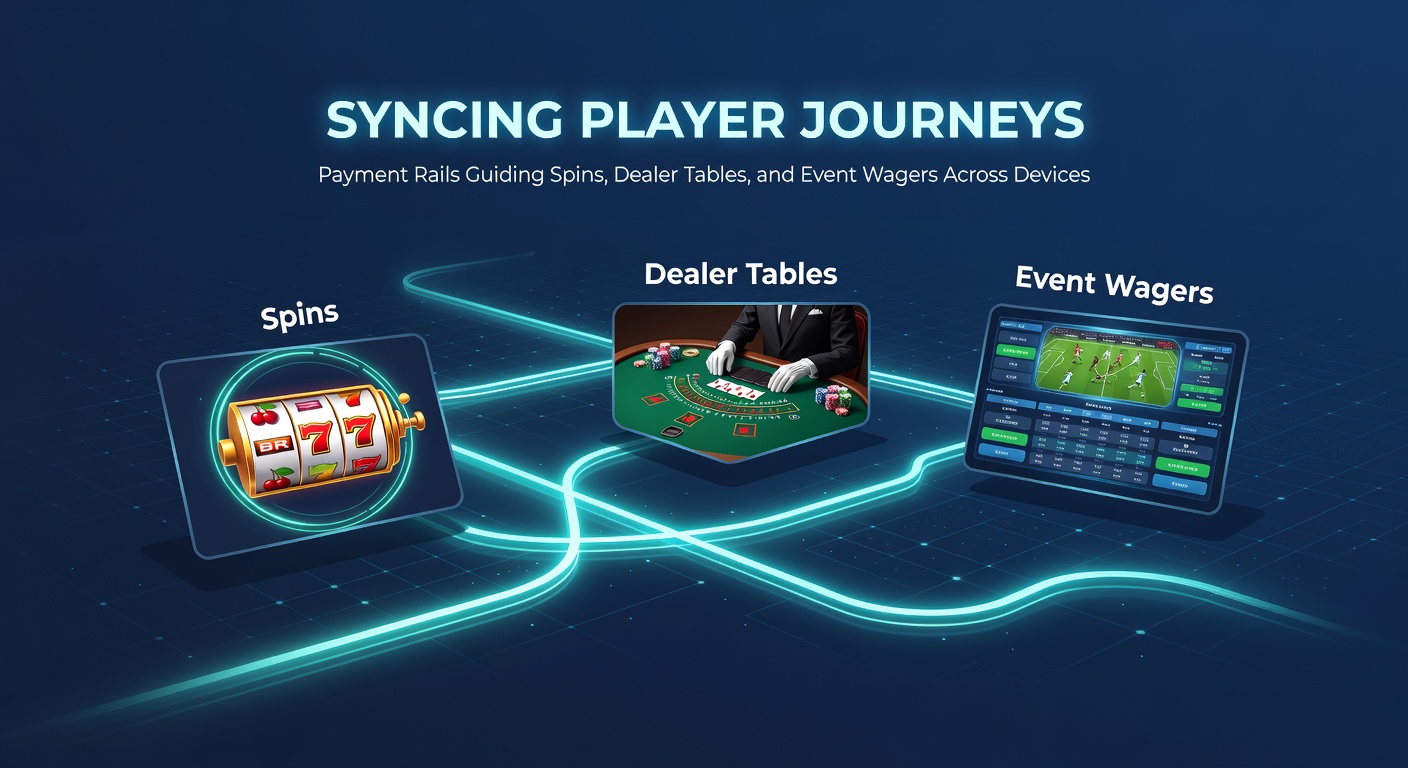
Payment providers have introduced features such as instant bank transfers and stablecoin options that further accelerate movement between devices, and data collected through June 2026 shows continued growth in cross-device usage patterns where players begin sessions on one screen type and finish on another without balance discrepancies. Regulatory bodies in several Australian states now require operators to demonstrate that their payment rails maintain consistent audit trails for all product categories, ensuring that every spin contribution, table rake, and wager settlement traces back to the originating deposit method.
Security and Compliance Integration
Encryption protocols and multi-factor authentication sit inside the payment layer itself, which protects user funds whether they originate from a quick mobile spin session or a longer desktop table engagement. Experts at the European Gaming and Betting Association have documented how these rails incorporate geolocation checks and velocity monitoring that apply equally to slots, live dealer environments, and sports markets, reducing instances of mismatched transaction records across devices. Because the rails also interface with third-party verification services, age and identity data remain consistent, allowing operators to enforce jurisdictional rules without forcing players to re-submit documents when switching between game types or hardware.
Bonus and Loyalty Synchronization
Promotional credits earned on one platform transfer automatically to others once the payment rail confirms the triggering activity, so a slot bonus round can unlock table-game free play or sports bet credits on a different device within the same account session. Reports from the National Council on Problem Gambling highlight that unified rails make it simpler to apply consistent wagering requirements across verticals, preventing situations where players must navigate separate bonus ledgers for slots versus tables versus sports. And the same systems feed player analytics that help operators identify patterns spanning multiple product types, which supports more accurate personalization without fragmenting data across disconnected databases.
Future Infrastructure Developments
By mid-2026 several major operators plan to roll out enhanced rail features that incorporate biometric confirmation at the payment stage, further streamlining movement between spins, dealer tables, and event wagers on any connected device. Industry forecasts indicate continued expansion of these capabilities as 5G networks and edge computing reduce latency even more, allowing near-instant settlement regardless of whether the player is on a phone during travel or seated at a desktop workstation. Observers tracking these trends note that the underlying payment architecture continues to evolve toward greater interoperability, which keeps player journeys continuous while meeting evolving regulatory standards across regions.
Conclusion
Payment rails have become the central mechanism that keeps balances, bonuses, and compliance data aligned as players move between slot spins, live dealer tables, and sports event wagers on phones, tablets, and desktops. The infrastructure supports real-time updates, secure transactions, and cross-vertical functionality that matches the way modern users interact with gaming platforms. As technology advances through 2026 and beyond, these systems will continue to determine how smoothly player activity flows across devices and product types.