Synchronized Loyalty Cycles in Casino Gaming: Connecting Reels, Dealers, and Event Wagers
Anna Werner · Jul 26, 2026
Synchronized Loyalty Cycles in Casino Gaming: Connecting Reels, Dealers, and Event Wagers
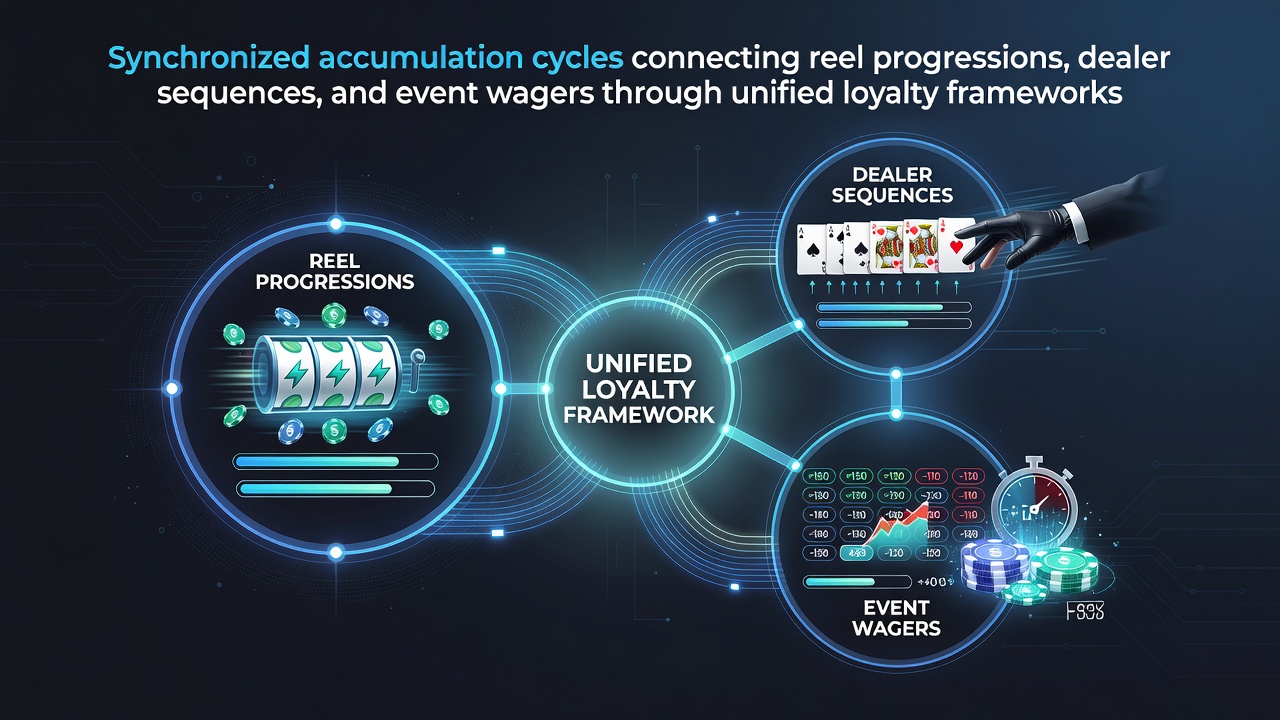
Modern casino operators have developed unified loyalty frameworks that track player activity across slot reels, live dealer sequences, and sports event wagers in a single accumulation cycle. These systems assign points based on wager volume and game type while syncing progress toward tiered rewards, bonus credits, and exclusive events. Data from platform operators shows that participants who engage multiple verticals within the same cycle reach higher reward tiers faster than those who focus on one category alone.
Reel progressions contribute through base bet multipliers and feature triggers, while dealer sequences add value via table minimums and side bet participation. Event wagers layer additional points when linked to live sports outcomes or tournament brackets. The unified structure uses centralized databases to merge these inputs so that a single account reflects combined activity without separate ledgers for each product.
How Accumulation Cycles Operate Across Game Types
Operators configure point rates differently for each vertical yet maintain a shared progression meter. Slot play typically awards one point per unit wagered on designated machines, with bonus multipliers during promotional windows. Live dealer tables calculate points from average bet size per hand or round, incorporating dealer-specific sequences such as continuous shuffle or multi-deck variations. Sports and event wagers feed into the same meter through settled ticket values, where parlays and live in-play bets carry adjusted rates that reflect risk and duration.
Observers note that these cycles often reset on a monthly or quarterly schedule, at which point accumulated points convert into tier credits or direct rewards. The synchronization prevents fragmentation so that progress toward a higher loyalty level continues uninterrupted when a player shifts from reels to tables or to event markets. Industry reports indicate that platforms with fully integrated cycles record higher session frequency across all product lines compared with siloed programs.
Technical Integration and Data Flow
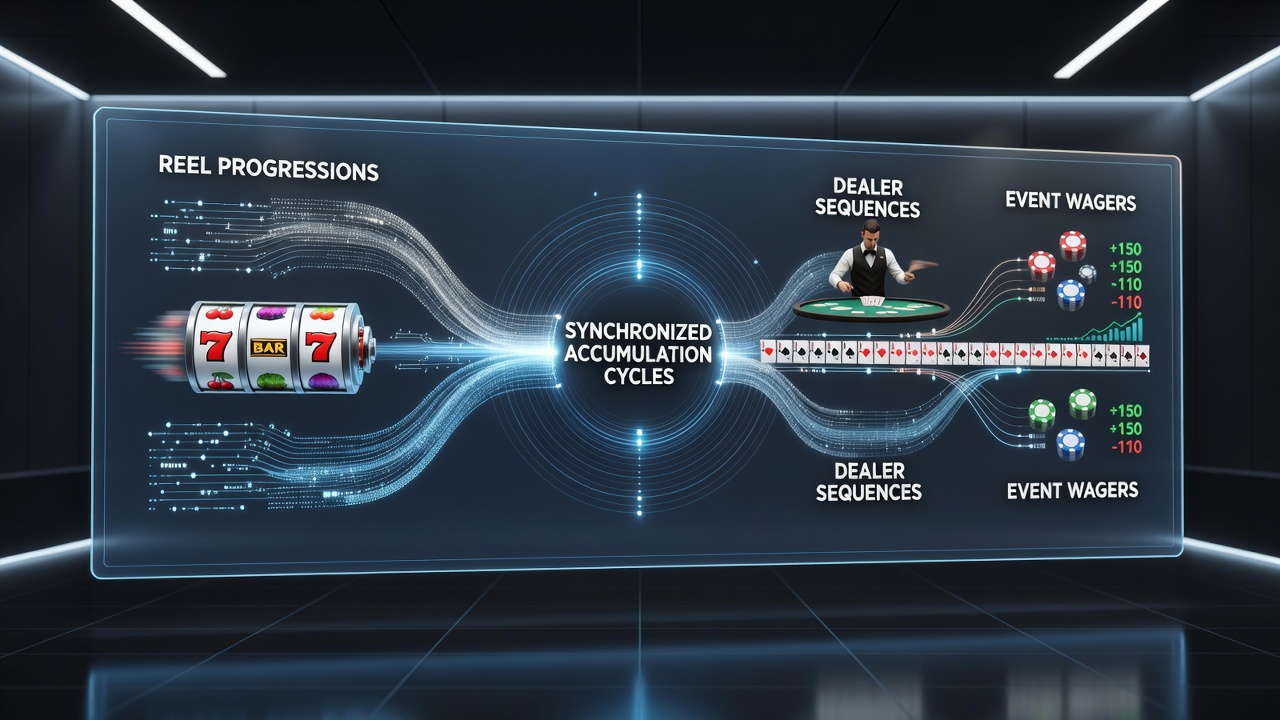
Backend systems pull real-time data from slot servers, table management software, and sportsbook engines into a common loyalty engine. Each wager event carries metadata that identifies game category, stake amount, and promotional eligibility before the points post to the player profile. This architecture supports cross-vertical bonuses such as free spins unlocked by table play or event wager credits earned through reel progressions.
Starting in July 2026 several jurisdictions will enforce updated machine standards that require enhanced transaction logging, which aligns with the data demands of these unified loyalty platforms. The change affects how operators validate point awards on older equipment while newer terminals already transmit the required fields for synchronized tracking.
Player Journey Examples in Unified Systems
Take one account that begins with fifty spins on a progressive slot title. The resulting points move the meter forward, unlocking a table minimum reduction that applies during the next dealer sequence. After completing a set number of blackjack hands the same meter qualifies the player for a boosted odds wager on an upcoming league match. Each step feeds the shared cycle rather than requiring separate qualification paths.
Another pattern appears when event wagers complete the cycle first. A settled soccer parlay generates enough points to trigger reel multipliers on linked slot titles, after which table play converts remaining credits into tier advancement. The American Gaming Association has documented that operators using this model see increased cross-product engagement within individual accounts.
Regulatory and Operational Considerations
Regulators in multiple regions require clear disclosure of how points convert across game types and mandate audit trails that verify fair accumulation. The Alcohol and Gaming Commission of Ontario has issued guidance requiring operators to maintain separate records for each vertical even when points merge in a unified view. Compliance teams therefore run parallel validation processes that reconcile the shared meter against individual game logs.
Operators also adjust point rates seasonally to balance inventory of rewards against player behavior patterns. During major sporting events the rate for event wagers may increase temporarily, while table promotions align with reel tournaments to maintain steady flow through the cycle. These adjustments occur within the same loyalty engine so that players experience continuous progress regardless of which product they choose at any moment.
Conclusion
Unified loyalty frameworks have become standard infrastructure for operators seeking to connect reel progressions, dealer sequences, and event wagers into coherent accumulation cycles. The technical and operational elements described above show how points flow across categories without fragmentation. As machine standards evolve from July 2026 onward, the same systems will incorporate additional logging requirements while preserving the synchronized experience for participants.