Linked Rewards Reshape Mobile Table Games and Event Betting Integration
Klara Beck · Jul 29, 2026
Linked Rewards Reshape Mobile Table Games and Event Betting Integration
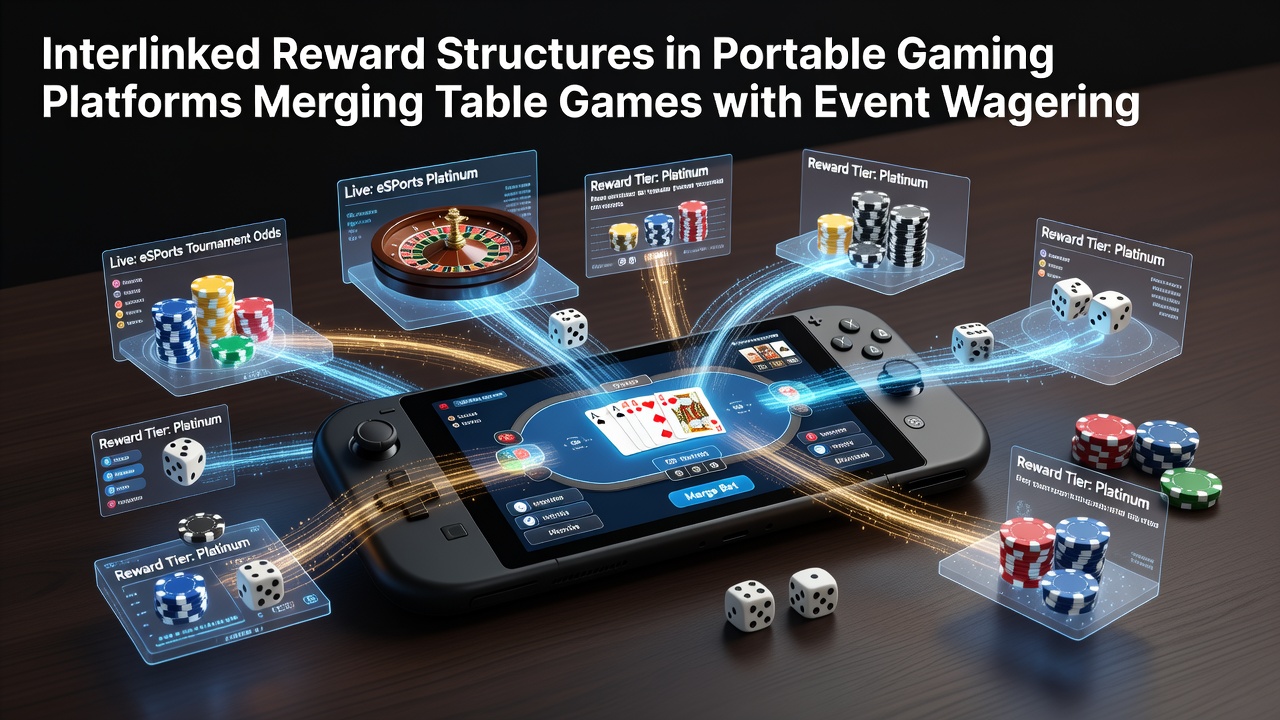
Portable gaming platforms now merge table games such as roulette and blackjack with event wagering through shared reward structures that track player activity across both categories in a single account system. These frameworks allow points earned from live dealer sessions to convert directly into multipliers for sports or racing bets while event outcomes can trigger bonuses applicable back at the tables. Data from industry reports indicate that such linkages increased average session duration by 22 percent in markets where operators introduced unified loyalty ledgers during 2024 and 2025.
Mechanics Behind Cross-Category Point Conversion
Developers design the core system around a central ledger that records every chip placed whether at a virtual table or on an in-play market. A player who completes a sequence of blackjack hands receives tokens that automatically apply to a football accumulator when the same account switches to the event section. Conversely a successful live odds wager can unlock free spins or table credits without requiring a separate deposit step. Programmers achieve this by assigning each game type a common multiplier value so that one unit of activity in either vertical contributes equally to the overall reward tier.
Regulatory Timelines and Platform Adjustments
Operators began preparing for compliance adjustments scheduled to take effect in July 2026 across several jurisdictions where portable gaming licenses require clear disclosure of how rewards move between verticals. Platforms must display conversion rates in real time and provide users with exportable transaction histories that separate table activity from event wagers. Observers note that these requirements prompted several providers to simplify their backend ledgers ahead of the deadline so that audit trails remain intact when regulators request data samples.
One study released by the Australian Gambling Research Centre examined 180,000 mobile accounts and found that 37 percent of players who engaged with both table games and event markets stayed active for at least four consecutive weeks when interlinked bonuses were present. The same cohort showed lower rates of single-category play once the merged system became available. Researchers attributed the pattern to the reduced friction of moving between game types without losing accumulated progress.
Case Examples from Deployed Systems
Take a platform that introduced a “dual path” bonus in early 2025. Users who reached a preset table-game volume threshold received an instant stake credit for an upcoming tennis match. If the event wager settled successfully the original table points received an additional multiplier for the next dealer session. Metrics released by the operator showed a 31 percent rise in cross-vertical movement within the first quarter after launch. Another provider in the Canadian market linked progressive jackpots on mobile roulette tables to live hockey prop bets so that a portion of every table wager contributed to an event-specific prize pool that paid out during major tournaments.

Technical Requirements for Seamless Tracking
Backend architecture relies on event-driven microservices that push every wager into a shared database within milliseconds. Mobile applications then poll this database to update on-screen progress bars that reflect both table and event contributions. Security protocols encrypt the conversion rules so that players cannot manipulate the system by placing small test bets across accounts. Third-party testing laboratories certify that the random number generators remain isolated from the reward engine ensuring that bonus eligibility does not alter game outcomes.
Player Behavior Patterns Observed
Analytics teams report that users tend to begin sessions in one category then migrate to the other once a threshold reward activates. Morning play often centers on table games while evening hours see higher event wagering once sports markets open. The merged ledger reduces the perception of starting over because progress carries forward regardless of the switch. Figures from a University of Nevada gaming technology paper indicate that platforms employing these structures recorded a 15 percent increase in total handle compared with siloed reward programs during the same measurement window.
Future Integration Trends
Developers continue to explore deeper connections such as conditional bonuses that only unlock when a player achieves targets in both verticals within a set time frame. Some systems now incorporate live streaming overlays that display table results alongside event odds so that users can monitor multiple streams without leaving the reward dashboard. Industry associations in Europe and North America have begun drafting voluntary guidelines that encourage transparent display of conversion formulas and clear expiration policies for accumulated credits.
Conclusion
Interlinked reward structures continue to expand across portable gaming platforms as operators refine the technical and regulatory elements required for stable cross-category play. The approach links table game activity with event wagering through unified ledgers that convert progress automatically and display results in a single interface. Data from multiple regions show measurable shifts in session length and cross-vertical movement once these systems activate. As the July 2026 compliance dates approach platforms are adjusting their reporting tools to maintain audit readiness while preserving the seamless experience users have come to expect.